Review: Easter Rabbit Embroidery Windspinner PNG
As a designer who spends more time staring at stitch simulations than actual thread spools, I have developed a keen eye for what translates well from screen to fabric. When I first opened the Easter Rabbit Embroidery Windspinner PNG, my initial reaction was one of cautious optimism. The market is flooded with seasonal graphics, but few are designed with the specific constraints of embroidery in mind. This asset, categorized under Crafts and Graphics, presents itself as a wind spinner sublimation design, yet its potential for machine embroidery is where the real value lies for us makers.
First Impressions and Visual Personality
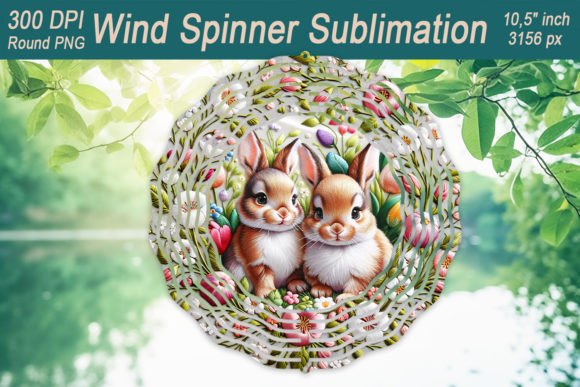
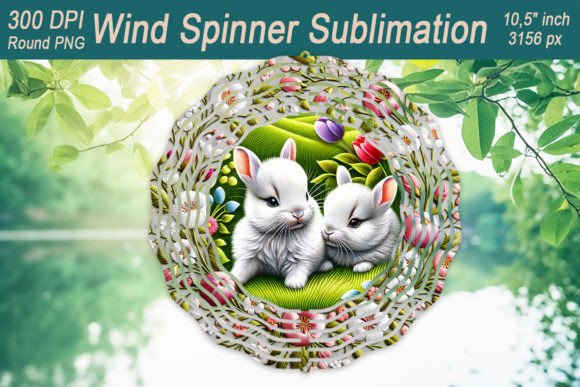
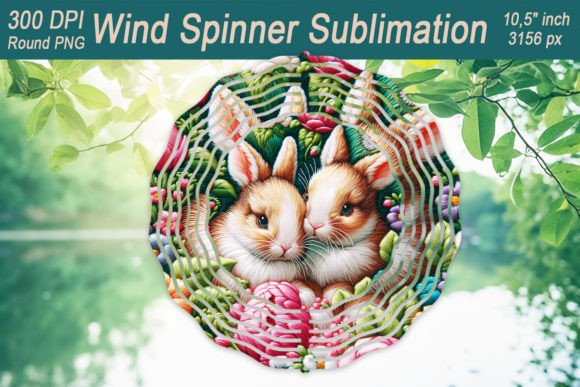
The design features a charming Easter bunny motif arranged in a circular layout, typical of wind spinner wraps. At approximately 10.5 x 10.5 inches, the scale is generous. For an embroidery designer, this size is a double-edged sword. It offers ample room for detail, which is crucial for capturing the whimsical personality of a spring-themed character. However, it also demands precision. The lines appear clean, suggesting that if digitized correctly, the machine embroidery design could result in crisp outlines rather than muddy clusters of thread.
The mood is undeniably cheerful and light. It captures the essence of spring without relying on overly complex shading that often fails in thread form. For those of us creating handmade products, visual clarity is paramount. A design that looks busy on a computer screen can become a nightmare of thread breaks and puckering on fabric. This PNG’s relatively open composition suggests it would handle fill stitch areas well, provided the density is managed during the digitizing process.
Real-World Application: The Tote Bag Test
To truly evaluate the Easter Rabbit Embroidery Windspinner PNG, I mentally projected it onto a standard canvas tote bag. This is a staple item for any Etsy seller or small shop product line during the spring season. Imagine a natural cotton canvas, perhaps in a soft cream or pastel blue. The circular nature of the wind spinner design fits perfectly on the flat surface of a tote. Unlike rectangular logos, the round shape draws the eye inward, creating a focal point that feels intentional and balanced.
If I were producing this as a personalized gift or a boutique item, I would consider using the central bunny element as the primary embroidery feature. The surrounding elements of the wind spinner could be simplified or omitted depending on the hoop size available. For a standard 5x7 hoop, focusing on the core rabbit figure ensures that the stitch density remains manageable. On a larger 8x8 or 10x10 hoop, the full circular design could shine, creating a statement piece that stands out at craft fairs.
Versatility Across Product Lines
Beyond tote bags, this design has legs in other categories. Consider sweatshirt embroidery. A crewneck sweatshirt provides a stable, thick fabric that handles heavier stitch counts well. Placing this design on the back of a sweatshirt, centered between the shoulder blades, creates a trendy, oversized look that appeals to younger demographics. Alternatively, scaling it down for baby embroidery on a onesie requires careful attention to detail. The smaller the scale, the more critical it becomes to simplify fine lines to prevent them from disappearing into the fabric texture.
For custom apparel like aprons or kitchen towels, the durability of the design matters. Since this is originally a Wind Spinner Sublimation Design, it is likely high-resolution (300 DPI), which is excellent for reference. However, when converting this into an embroidery file, one must ensure that thin lines are thickened appropriately. Thin running stitch outlines might get lost on textured fabrics like terry cloth towels, so opting for a slightly wider satin stitch border could enhance visibility and longevity.
Technical Considerations and Potential Pitfalls
While the aesthetic appeal is strong, there are technical hurdles to address. The product description notes it is a PNG file. This is a raster image, not a vector or native embroidery file. This distinction is vital for creative entrepreneurs. You cannot simply load a PNG into an embroidery machine. It must be digitized. If you are not a digitizer yourself, you will need to hire one or use software to convert it. This step introduces variables such as stitch type selection and underlay stabilization.
Fabric texture plays a significant role here. On smooth cotton or polyester blends, the design will likely pop with vibrant thread colors. However, on textured fabrics like linen or heavy denim, small details may get obscured. I recommend testing the design on scrap fabric first. Pay close attention to how the curves of the wind spinner layout behave. Curved satin stitch columns can twist if the angle is not adjusted properly during digitizing, leading to an uneven finish.
Another concern is the hoop size. The design is approx 10.5 x 10.5 inches. Not all home machines accommodate this size. If you are working with a smaller hoop, you will need to split the design or resize it significantly. Resizing below 70% of the original size can distort the proportions, making the bunny look cramped. Always check your machine’s maximum hoop size before committing to a project.
Stabilizer and Thread Choices
For a design of this magnitude, proper stabilization is non-negotiable. A cut-away stabilizer is recommended for garments that will be washed frequently, such as tote bag designs or sweatshirt embroidery. This prevents the fabric from pulling away from the stitches over time. For decorative items like pillow covers that see less wear, a tear-away might suffice, but given the density implied by a full wind spinner wrap, a cut-away offers better insurance against puckering.
Thread choice can make or break the final look. High-sheen rayon threads work beautifully for the bunny’s features, adding a touch of luxury to the finished product. However, for outdoor items or frequently washed goods, polyester threads offer superior colorfastness and strength. When selecting thread colors, consider contrast. If stitching on dark fabric, ensure the bunny has enough light-colored elements to stand out, or use a backing layer to prevent the fabric color from showing through sparse stitch areas.
Commercial Viability and Branding
For commercial embroidery projects, consistency is key. Using the Easter Rabbit Embroidery Windspinner PNG across a collection—such as matching tote bags, aprons, and tea towels—creates a cohesive brand identity. Customers appreciate seeing a design executed well across different mediums. It builds trust and perceived value. A well-stitched, professional-looking item commands a higher price point than a hastily produced one.
However, licensing is a critical checkpoint. The product description mentions it is a Spring windspinner wrap png included in a set of graphics. Before selling digital embroidery file conversions or finished goods, verify the license terms. Some graphic licenses allow for personal use only, while others permit commercial use of physical items but not digital resales. As a responsible craft business owner, always confirm these details to avoid legal issues down the line.
Final Verdict for Makers
The Easter Rabbit Embroidery Windspinner PNG is a promising asset for spring collections. Its circular layout and playful theme offer versatility for various embroidery projects, from baby gifts to adult apparel. Success depends heavily on proper digitizing, appropriate fabric selection, and rigorous testing. Do not skip the step of creating a printable mockup or stitching a sample on scrap material. By treating this graphic as a starting point for thoughtful craftsmanship, you can create standout pieces that resonate with customers and elevate your small shop product lineup. Remember, the difference between a good design and a great embroidered item lies in the details of execution.