Easter Embroidery Bunny Wind Spinner Review
As a designer who spends more time analyzing stitch paths than browsing social media, I approach every new machine embroidery design with a mix of curiosity and skepticism. We have all been there: you download a file that looks stunning on the screen, only to find it turns into a puckered mess or an indistinguishable blob once the needle hits the fabric. That is why I took a close, practical look at the Easter Embroidery Bunny Wind Spinner. This isn’t just about aesthetics; it is about how this graphic translates into a tangible, high-quality handmade product.
First Impressions: Mood and Visual Personality
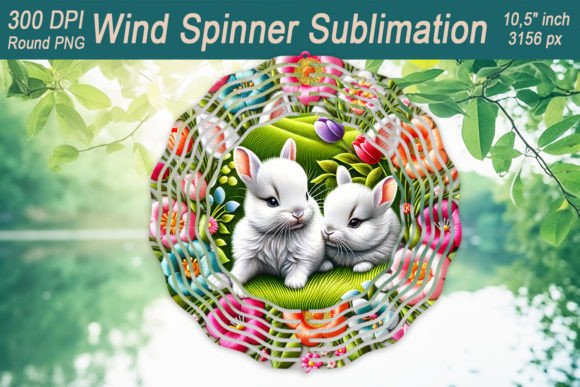
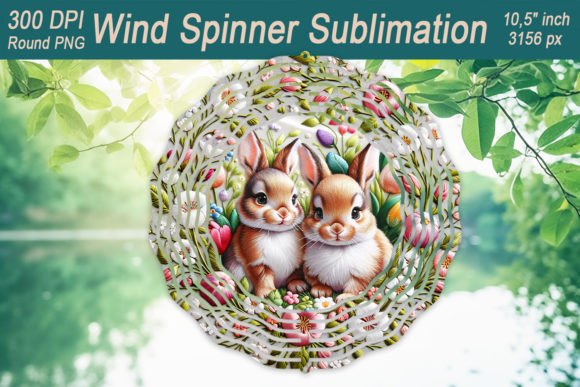
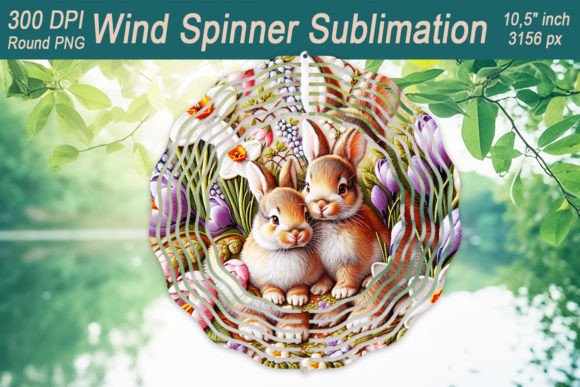
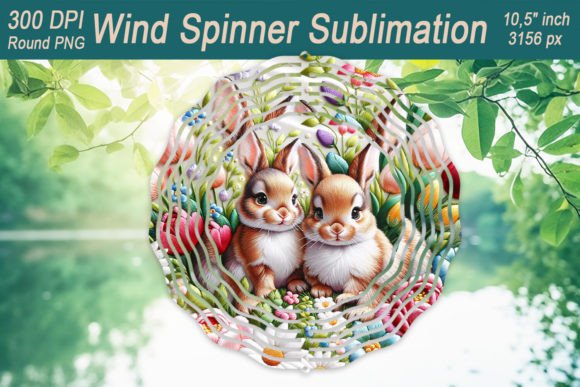
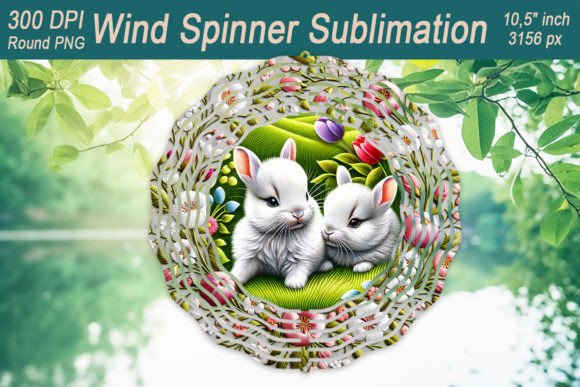
The first thing that strikes me about the Easter Embroidery Bunny Wind Spinner is its whimsical yet structured layout. It captures that specific springtime energy—light, airy, and playful—without relying on overly complex details that often fail in embroidery. The design features a bunny motif integrated with wind spinner elements, creating a sense of motion even when static. For those of us in the Crafts and Graphics space, finding assets that balance thematic relevance with technical feasibility is rare.
The visual personality here is soft and inviting. It does not scream for attention with aggressive lines; instead, it invites a closer look. This makes it ideal for projects where subtlety is key, such as nursery decor or boutique clothing. The layout appears well-spaced, which is crucial for maintaining clarity when scaled down for smaller items like baby clothes or up for larger statement pieces like tote bags.
Real-World Application: From Screen to Stitch
To truly evaluate an embroidery file, you have to imagine it in use. I recently worked on a custom order for a local boutique specializing in seasonal home goods. They needed a fresh design for their spring collection, specifically for linen tea towels and canvas aprons. The Easter Embroidery Bunny Wind Spinner fit this brief perfectly. Here is how I see it performing across various real-life scenarios:
- Custom Apparel: On a pastel-colored sweatshirt, this design would serve as a charming chest emblem. The open spaces in the wind spinner elements allow the fabric texture to show through, preventing that heavy, cardboard-like feel common in dense fill stitch areas.
- Tote Bag Design: Canvas bags require designs that are bold enough to be seen from a distance but detailed enough to justify the price point. This graphic’s approximate 10.5 x 10.5-inch size is substantial enough to make an impact on a standard shopper tote without overwhelming the material.
- Baby Embroidery: For baby items, simplicity is safety. The lack of tiny, fragile details means this design holds up well to frequent washing and wear, making it a reliable choice for personalized gifts like burp cloths or blanket accents.
- Holiday Embroidery: As a seasonal asset, it bridges the gap between Easter and general spring decor, extending its usability window for Etsy sellers and small shop owners.
Technical Considerations and Fabric Compatibility
While the design is visually appealing, its success depends entirely on execution. The product description notes that the included file is a PNG at 300 DPI. This is a critical distinction for embroidery professionals. A PNG is a raster image, not a native digital embroidery file (like PES or DST). This means you will need to digitize it yourself or use auto-digitizing software with caution. If you are planning to use this for commercial embroidery, do not skip the step of manual cleanup.
When working with this graphic, pay close attention to stitch density. Wind spinner elements often involve radial lines or curved shapes. If these are converted directly into satin stitch columns without proper underlay, they may twist or gap on stretchy fabrics. I recommend testing the design on scrap fabric first, specifically checking how the curves handle tension. For textured fabrics like terry cloth or waffle knit, you might need to adjust the stitch type to ensure the details remain visible.
Another factor is fabric color. The bunny motif likely relies on contrast to define its shape. On dark fabrics, you must ensure your thread colors pop. A white or cream thread on navy blue works beautifully, but low-contrast combinations could render the design muddy. Always test your design in black and white mockups to check for value contrast before committing to thread.
Where to Use Caution
No design is universal, and the Easter Embroidery Bunny Wind Spinner has its limitations. Be careful when applying it to:
- Curved Surfaces: Caps and hats present a challenge for large, flat designs. The 10.5-inch width is too wide for most standard cap hoops. You would need to scale it down significantly, which might compromise the clarity of the wind spinner details.
- Thin or Stretchy Fabric: Without proper stabilizer, the radial elements of the spinner could pull the fabric, causing distortion. Use a cut-away stabilizer for knits and a tear-away for woven fabrics to maintain shape integrity.
- Small Hoop Sizes: If you shrink the design to fit a 4x4 hoop, the intricate parts of the bunny’s face or the spinner blades may become too dense, leading to thread breaks or bird nesting.
Enhancing Brand Value and Customer Trust
For craft business owners, the quality of your design assets directly impacts your brand consistency. Using a well-balanced graphic like this one signals professionalism. It shows that you care about the aesthetic harmony of your finished product. When customers see clean, well-executed embroidery on a personalized gift or an embroidered patch, their trust in your brand grows. This design supports that by offering a polished look that doesn’t require excessive troubleshooting if digitized correctly.
Moreover, versatility drives sales. Because this design works for both home decor and apparel, it allows you to create cohesive collections. Imagine offering a matching set: a tea towel for the kitchen and a tote bag for the garden. This kind of cross-product consistency is what turns casual buyers into loyal customers.
Practical Designer Notes for Implementation
Before you list this as a new item in your small shop product lineup, take these steps:
- Verify Licensing: The description mentions it is for crafts and graphics, but always confirm whether the license allows for commercial use of finished items. If you are selling digital products, ensure you are not redistributing the raw file unless explicitly permitted.
- Check File Specs: Since the inclusion is a PNG, assess the resolution quality at your intended print or stitch size. A 300 DPI PNG is good for sublimation or reference, but for embroidery, you need a clean vector path or a professionally digitized file.
- Test Thread Combinations: Experiment with variegated threads for the wind spinner part to enhance the illusion of movement. Solid colors work best for the bunny outline to keep it grounded.
- Mockup Presentation: Use high-quality printable mockup tools to showcase the design on various backgrounds. Show potential buyers how it looks on both light and dark fabrics to reduce pre-purchase anxiety.
In conclusion, the Easter Embroidery Bunny Wind Spinner is a strong contender for your spring design library. It offers a blend of charm and structural simplicity that, when handled with technical care, can elevate your custom apparel and home goods. It is not just a graphic; it is a tool for creating memorable, high-value items that resonate with customers looking for that perfect touch of spring.