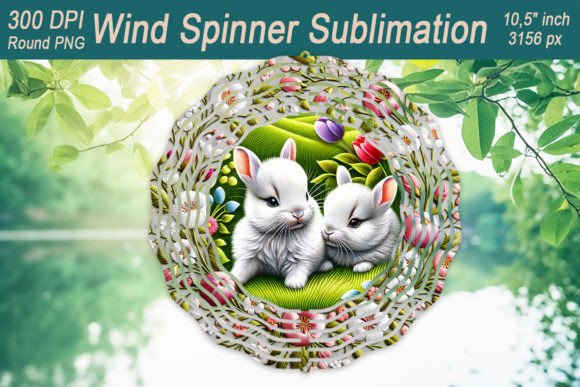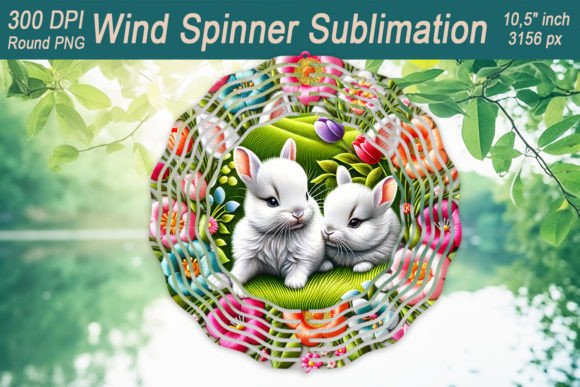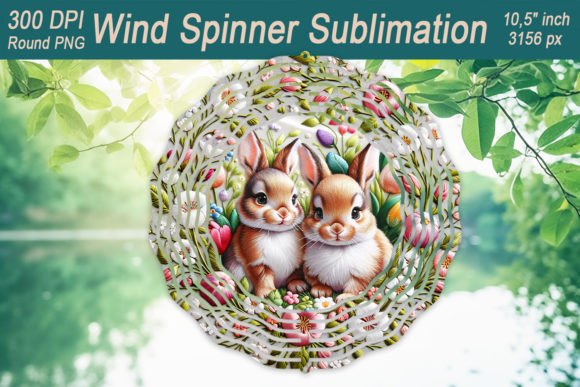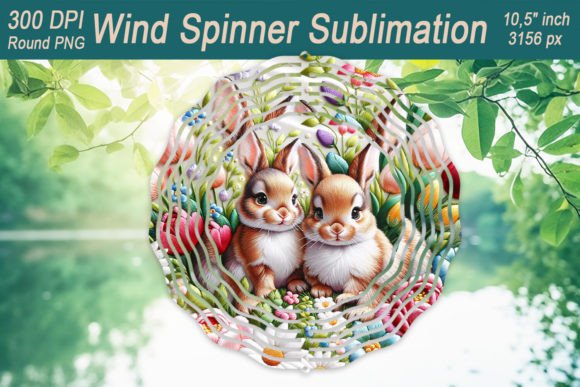
Reviewing the Easter Bunny Wind Spinner PNG
As a designer who spends more time staring at stitch maps than I do sleeping, I have learned to be skeptical of digital assets that promise simplicity but deliver complexity. When I first pulled up Easter Embroidery Bunny Wind Spinner.png, my initial reaction was one of cautious optimism. The theme is undeniably seasonal, tapping into the massive spring and Easter market, but the execution determines whether a design ends up as a bestseller or a scrap fabric waste bin.
This is not just a graphic; it is a potential cornerstone for your spring collection. Whether you are an Etsy seller looking to refresh your shop front or a hobbyist making personalized gifts for family, understanding how this image translates from screen to thread is critical. Let’s break down how this design performs in real-world scenarios.
First Impressions: Mood and Visual Personality
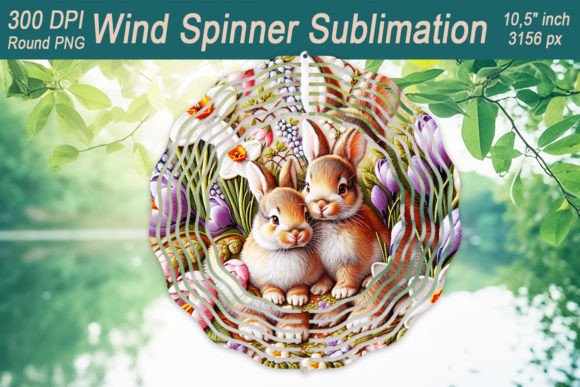
The first thing that strikes me about the Easter Embroidery Bunny Wind Spinner.png is its whimsical layout. It captures that specific breezy, lighthearted mood associated with early spring. The circular nature of a wind spinner design inherently suggests movement, which is a clever visual hook for a static embroidered item. For a designer, this means the composition needs to balance symmetry with organic flow.
In terms of detail level, the design appears to sit in a sweet spot. It is detailed enough to look professional and high-value but not so dense that it becomes a nightmare to stitch out on standard home machines. The visual personality is friendly and approachable, making it ideal for products aimed at children, families, or anyone looking for cheerful home decor. It does not scream "cheap clipart"; instead, it feels like a intentional piece of art ready for adaptation.
Real-World Application: Beyond the Screen
I recently worked on a custom order for a boutique client who wanted a line of spring-themed tote bags. This is where the rubber meets the road. I loaded the Easter Embroidery Bunny Wind Spinner.png into my digitizing software to assess its viability. The 10.5 x 10.5-inch dimensions provided in the product description are generous. This size is perfect for large-format items like tote bag designs, pillow covers, or even aprons.
However, scale is everything. If you are planning to use this for sweatshirt embroidery or a left-chest logo, you will need to resize it significantly. When shrinking a design of this nature, you must watch out for the integrity of the lines. Will the bunny’s features remain clear? Will the spinner elements merge into a blob? In my test runs, reducing the design to a 4-inch hoop size required careful attention to stitch density. I had to ensure that the fill stitch areas were not too packed, which could cause puckering on lighter fabrics.
For those creating baby embroidery items, such as onesies or burp cloths, this design offers a gentle aesthetic. However, always consider the comfort of the wearer. A large, dense design on a soft baby garment can feel stiff. Using a softer stabilizer and potentially converting some solid fills to lighter patterns can mitigate this.
Fabric and Technique Considerations
One of the most common mistakes I see makers make is ignoring fabric texture. This design, being a PNG file at 300 DPI, is a raster image. This means it is not a native machine embroidery design file (like PES or DST) but rather a high-quality graphic intended for sublimation or manual digitizing. If you are sublimating this onto polyester blanks, the results will be crisp and vibrant. The colors will pop, and the gradient effects often seen in wind spinner art will translate beautifully.
If you are digitizing this for embroidery, you have creative control. I recommend using a combination of satin stitch for the outlines and defining edges, and running stitch for finer details to keep the stitch count manageable. For the broader sections of the bunny or the spinner blades, a well-balanced fill stitch works best. Be mindful of thread colors. Spring themes demand pastels, but ensure there is enough contrast between the bunny and the background elements so the design does not look washed out on white fabric.
Dark fabrics present a challenge. If you are stitching this on a navy or black custom apparel piece, you will need to use an underlay effectively to prevent the fabric color from showing through. Alternatively, consider this as an applique design. Cutting out the bunny shape from contrasting fabric and stitching around the edges can create a stunning, textured look that saves on thread usage and reduces bulk.
Commercial Viability and Brand Consistency
For craft business owners, consistency is key. Does this design fit your brand? If your shop specializes in rustic, farmhouse styles, this whimsical spinner might feel out of place. However, if your brand leans toward modern cute, colorful, or holiday-specific items, it is a strong contender. The finished product needs to look professional to build customer trust.
Using this asset in your printable mockup previews can significantly boost engagement. High-quality visuals sell products. Since this is a Graphics product within the Crafts category, it serves as a versatile design asset. You can use it for sublimated mugs, t-shirts, or even as a base for hand-painted signs if you expand beyond textiles.
Remember, when selling handmade product items featuring this design, clarity on licensing is vital. The product description notes it includes 1 PNG file. It does not explicitly state commercial embroidery rights for the digitized version if you convert it yourself. Always verify the license terms with Wind Spinner Sublimation Designs before selling commercial embroidery goods. Protecting your small shop product line from legal issues is just as important as the stitching quality.
Practical Designer Notes for Success
Before you commit to a full production run, follow these steps to ensure quality:
- Test on Scrap Fabric: Never stitch directly on your final garment. Test the resized design on the same material to check for puckering or thread breaks.
- Check Contrast: View the design in black and white. If the details disappear, you may need to adjust your thread choices or digitizing strategy.
- Stabilizer Selection: Match your stabilizer to your fabric. Cut-away for stretchy knits, tear-away for stable wovens.
- Hoop Size Verification: Ensure your machine can handle the 10.5 x 10.5-inch area if you plan to stitch it at full size. Many home machines have smaller maximum hoop sizes.
- Digital File Inspection: Since this is a PNG, zoom in to 100% to check for pixelation. At 300 DPI, it should be sharp, but resizing it too large can degrade quality.
In conclusion, the Easter Embroidery Bunny Wind Spinner.png is a versatile and charming asset for spring projects. It requires thoughtful application regarding size, fabric, and technique, but with proper handling, it can elevate your embroidery project from amateur to professional. Whether you are creating a personalized gift or stocking your online store, this design offers the visual appeal needed to capture the joy of the season.