Happy Easter Embroidery: Graphics for Crafts
As a digital product creator who has spent years navigating the shifting tides of online marketplaces, I approach every new asset with a mix of curiosity and caution. The seasonal rush is real, and while many sellers scramble to upload generic clipart, the smart move is to find assets that offer versatility and high perceived value. Recently, I evaluated Happy Easter Embroidery, a collection designed to bridge the gap between traditional handmade aesthetics and modern digital convenience. For those of us selling on Etsy, Creative Fabrica, or through print-on-demand services, understanding how this specific graphic design asset performs in real-world scenarios is crucial before we commit it to our shop inventory.
First Impressions and Visual Personality
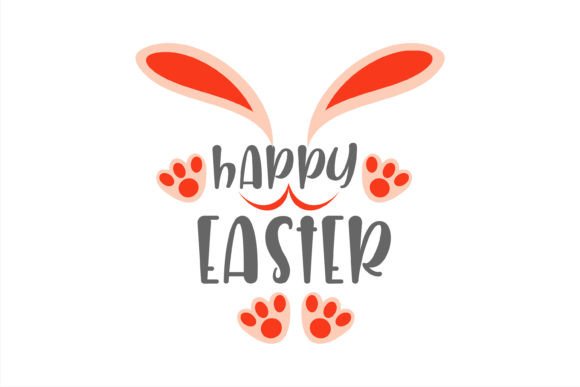
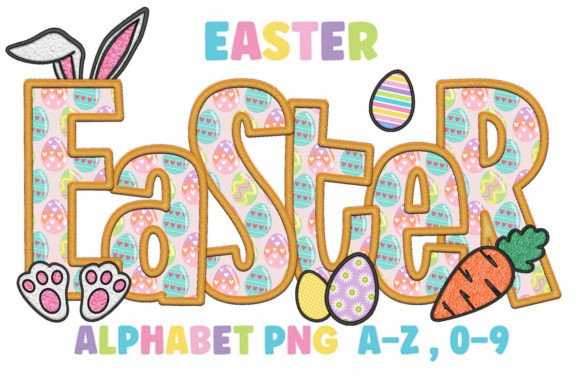
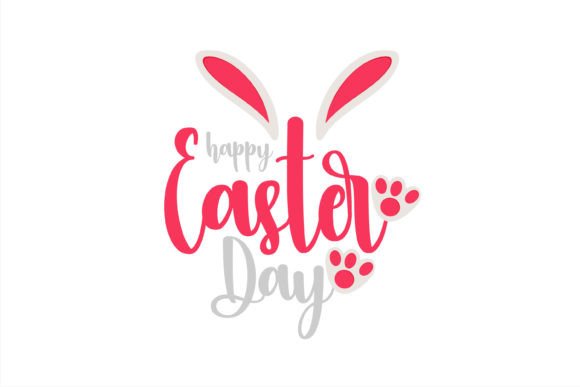
The immediate appeal of Happy Easter Embroidery lies in its texture. In a digital landscape often saturated with flat vectors and solid colors, this asset brings a tactile quality that mimics the warmth of hand-stitched thread. It feels rustic yet refined, striking a balance that appeals to buyers looking for something more personal than mass-produced graphics. The mood is undeniably festive but restrained; it avoids the neon brightness of children’s cartoons in favor of a softer, more organic palette. This makes it particularly suitable for a demographic that values the "handmade" look, even when purchasing digital downloads.
From a branding perspective, this illustration style supports small business branding that leans into authenticity. It does not scream for attention with aggressive contrast but rather invites the viewer in with gentle visual hierarchy. For crafters and creative entrepreneurs, this means the asset can serve as a centerpiece without overwhelming complementary elements like typography or background patterns.
Versatility Across Product Lines
The true test of any digital product is its adaptability. Happy Easter Embroidery comes with a robust file suite, including EPS, AI, CDR, PNG, and SVG formats. This variety is not just a checkbox; it dictates how you can monetize the asset. Here is how I envision using these files across different product categories:
- SVG and Cut Files: The SVG format is essential for Cricut projects and Silhouette users. Because the design mimics embroidery, it requires careful inspection of cut lines. However, when optimized, it creates stunning iron-on transfers for t-shirt designs and tote bag prints. The layered nature of the embroidery look allows for multi-color vinyl applications, adding premium value to physical goods.
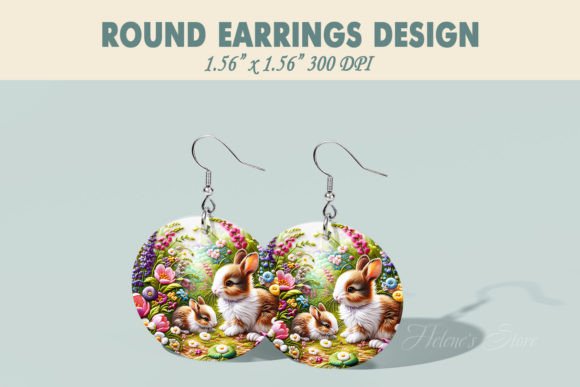
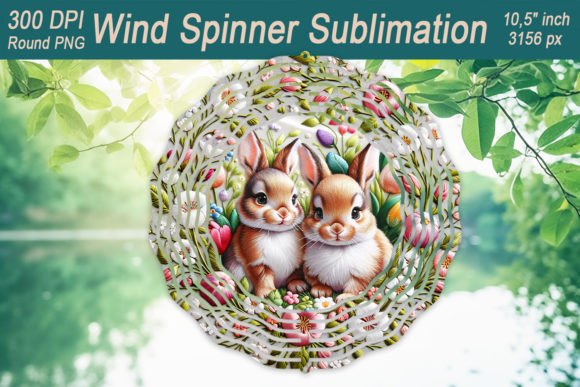
- PNG and Sublimation: The high-resolution PNG files are ideal for sublimation design work. I tested these on mug designs and tumbler wraps, where the textured edges blend seamlessly with the ceramic or metal surface. Unlike sharp vector lines, the soft edges of the embroidery style forgive minor alignment issues during the pressing process.
- Printable Design Assets: For those selling printable wall art or greeting cards, the EPS and AI files allow for infinite scaling without pixelation. This is critical for large-format prints like nursery prints or banner decorations. The clarity ensures that the "stitch" details remain crisp, maintaining the illusion of fabric even on paper.
- Canva Templates and Digital Planning: Integrating these graphics into Canva templates adds a unique selling point. Users can create invitation templates or planner stickers that stand out from the typical flat icons. The aesthetic pairs well with both serif font and script font choices, offering flexibility for different design vibes.
Enhancing Product Presentation
In the competitive world of e-commerce, your thumbnail is your storefront. Happy Easter Embroidery excels in product mockup scenarios. When placed on natural textures like linen, wood, or kraft paper in your listing images, the asset reinforces the narrative of a handmade, thoughtful gift. This visual storytelling builds customer trust and increases click-through potential.
I found that using this asset in seasonal bundles significantly boosts perceived value. Instead of selling a single clipart image, bundling it with coordinating floral elements or pastel backgrounds creates a comprehensive design bundle. This strategy works exceptionally well on creative marketplace platforms where buyers often look for all-in-one solutions for their holiday collections. Furthermore, the consistency of the embroidery style helps maintain brand identity across social media graphics and promotional visuals, making your shop appear more professional and cohesive.
Strategic Placement and Cautionary Notes
While versatile, Happy Easter Embroidery is not a one-size-fits-all solution. It works best in layouts that allow the design to breathe. Large product previews, decorative layouts, and minimalist merchandise graphics showcase the texture effectively. However, there are areas where you must exercise caution.
Avoid using this asset in tiny sticker designs where intricate stitch details might blur or disappear when scaled down. Similarly, be mindful of low-resolution print products; if the PNG transparency is not handled correctly, the soft edges can look muddy against dark backgrounds. For Cricut users, always verify the SVG cut quality. Complex embroidery simulations can sometimes result in excessive anchor points, leading to long cutting times or weeding difficulties. Simplifying the path where possible is a recommended step before offering it as a cut file.
Additionally, consider the context of your text-heavy templates. Because the embroidery style has inherent visual weight, pairing it with bold display fonts can create a cluttered look. Instead, opt for clean sans serif font or delicate handwritten font styles to maintain balance. Always test print colors, as screen calibration can differ from physical output, especially with the subtle gradients used to mimic thread shading.
Practical Seller Checklist
Before publishing Happy Easter Embroidery as part of your commercial design offerings, run through this practical checklist to ensure quality and compliance:
- Test on Real Mockups: Do not rely solely on digital previews. Place the design on actual physical items or high-quality 3D mockups to check for visual harmony.
- Verify File Integrity: Open the EPS, AI, and CDR files in their native programs to ensure layers are organized. Customers appreciate well-organized files, as it saves them time.
- Check Transparency: Ensure the PNG files have clean, anti-aliased edges. Jagged borders ruin the embroidered effect and look unprofessional.
- Licensing Confirmation: Always confirm the commercial license terms. Understand whether you can sell the asset as-is (usually no) or only as part of a new, transformed product (usually yes).
- Contrast Testing: Preview the design on both white and dark backgrounds. You may need to create inverted versions or add outlines for better visibility on darker merchandise.
In conclusion, Happy Easter Embroidery is a strong contender for spring and Easter collections. It offers the charm of Crafts with the precision of modern Graphics. By leveraging its multi-format availability and focusing on high-value applications like sublimation and scalable printables, you can create a diverse range of products. Remember, the key to success is not just having the asset, but knowing how to present it. Test thoroughly, bundle strategically, and let the textured elegance of this design elevate your shop’s seasonal offerings.