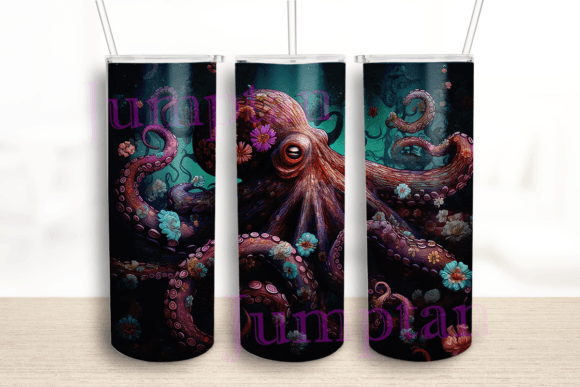
Reviewing the Embroidery Octopus 20 Oz Tumbler Design
As a designer who has spent years digitizing patterns and testing them on everything from stiff denim to slippery satin, I approach every new machine embroidery design with a mix of curiosity and skepticism. We have all been there: you download a cute graphic, load it onto your machine, and watch in horror as the thread bunches up or the details vanish into the fabric. That is why I took a close look at the Embroidery Octopus 20 Oz Tumbler design before committing it to a client project. This isn’t just about whether the image looks good on a screen; it is about how it translates into thread, hoop tension, and final product quality.
First Impressions: Mood and Visual Personality
The first thing that strikes you about this design is its playful yet structured aesthetic. An octopus is a challenging subject for embroidery because of its organic, flowing lines. If the digitizing is poor, the tentacles can look like a tangled mess of satin stitch and fill stitch. However, this particular layout feels balanced. The mood is whimsical, making it an instant fit for summer-themed collections, ocean-loving demographics, or quirky boutique branding. It does not take itself too seriously, which is exactly what modern handmade shoppers are looking for. The visual personality suggests fun, creativity, and a touch of nautical charm without being overly childish.
When evaluating the design assets provided, it is crucial to note what you are actually getting. The package includes high-resolution PNG files, specifically a straight version and a tapered version, both at 300 DPI. For those of us in the Crafts and Graphics space, this distinction matters. A tapered design is essential for sublimation or printed mockups on curved surfaces, like the titular 20 oz tumbler. However, for actual stitching, we need to consider how these dimensions translate to the hoop. The 9.3” x 8.2” footprint is substantial. This is not a small chest logo; this is a statement piece.
Real-World Application: Beyond the Tumbler
While the title references a tumbler, my mind immediately went to textile applications. I recently worked on a custom order for a beachside gift shop that needed unique tote bag design options. This octopus motif would be perfect for a heavy canvas tote. The large surface area allows the details of the tentacles to breathe. If you are an Etsy seller or run a small shop product line, versatility is key. This design could easily transition from a tote to a large embroidered patch meant for iron-on application.
I also considered its potential for sweatshirt embroidery. Placing this on the back of a oversized crewneck creates a trendy, streetwear-inspired look. The key here is scale. Because the design is large, it commands attention. It works well for personalized gift scenarios where the recipient loves marine life. Imagine pairing this with a simple monogram on the front pocket for a cohesive custom apparel set. For baby embroidery, however, I would advise caution. The size might be overwhelming for a onesie unless scaled down significantly, which brings us to technical limitations.
Technical Considerations and Stitching Clarity
Here is where the experienced eye needs to kick in. Since the product description specifies PNG files rather than native embroidery formats like PES or DST, you are likely using this for sublimation printing on tumblers or as a reference for manual digitizing. If you are planning to stitch this directly, you must ensure you have the correct embroidery file format compatible with your machine. Assuming you have a properly digitized version derived from these graphics, let’s talk about stitch density.
Octopus tentacles involve curves. Curves require careful handling of satin stitch width. If the stitches are too long, they will snag. If they are too dense, the fabric will pucker. When testing this on scrap fabric, I recommend using a cut-away stabilizer rather than tear-away. The weight of the thread needed to cover a 9-inch design is significant. A lightweight stabilizer simply won’t hold up under the tension, leading to distortion. This is especially true for textured fabrics like towels or fleece. On a kitchen towel, the loops of the terry cloth can swallow fine details, so high contrast thread colors are non-negotiable.
Another critical factor is hoop size. A design of this magnitude requires a large hoop, likely 5x7 or larger, depending on the specific digitization. If you attempt to split the design or resize it drastically for a smaller hoop, you risk losing the integrity of the lines. Tiny details in the eyes or suction cups might merge into solid blobs if the resolution drops. Always test the design in black and white mockups first to check for contrast and clarity before committing expensive threads to the project.
Navigating Fabric and Surface Challenges
Not every surface is created equal. While this design shines on stable cotton canvases or polyester blends, it faces challenges on stretchy fabric or thin materials. If you are applying this to a fitted cap, the curved surface adds another layer of complexity. The taper of the design mentioned in the product details is helpful for visual alignment on curved objects, but physically stitching on a cap requires precise hooping and possibly a topping to prevent the stitches from sinking into the fabric pile.
For holiday embroidery projects, such as summer vacation gifts or end-of-year teacher presents, this design offers a fresh alternative to standard motifs. However, keep in mind the washability. Large filled areas can become stiff if the density is too high. Advising customers on proper care—washing inside out, cold water, no bleach—helps maintain the finished product quality. This builds customer trust and enhances your reputation as a professional craft business owner.
Commercial Viability and Brand Consistency
From a business perspective, this design adds value through its uniqueness. In a market saturated with generic florals and quotes, a well-executed octopus stands out. It supports commercial embroidery efforts by offering a distinctive visual asset that can be branded across multiple products. Whether used for printable mockup previews on your online store or stitched onto actual merchandise, consistency is vital. Ensure that the colors you choose align with your brand palette. Navy blues, teals, and sandy beiges work naturally with this theme, creating a cohesive look for your design assets.
Before selling any handmade product featuring this design, double-check the licensing terms. The description notes that the listing is for specific digital files, but commercial rights for stitched items can vary. Always confirm whether you can sell the physical embroidered goods or if the license is restricted to personal use. This due diligence protects your small business from legal issues and ensures ethical practice.
Final Verdict for Makers and Designers
The Embroidery Octopus 20 Oz Tumbler design is a strong contender for makers looking to expand their nautical or whimsical collections. Its strength lies in its bold scale and playful character. However, success depends entirely on execution. Do not skip the test stitch. Pay attention to your stabilizer choice, respect the limits of your hoop size, and choose fabrics that can support the weight of the stitching. For digital product sellers, providing high-quality mockups using the included PNGs can boost engagement, but for stitchers, the real work begins in the hoop. With careful attention to detail, this design can elevate your embroidery project from a simple craft to a professional-grade item that customers will love and cherish.