Reviewing Floral Design for Table Top Embroidery
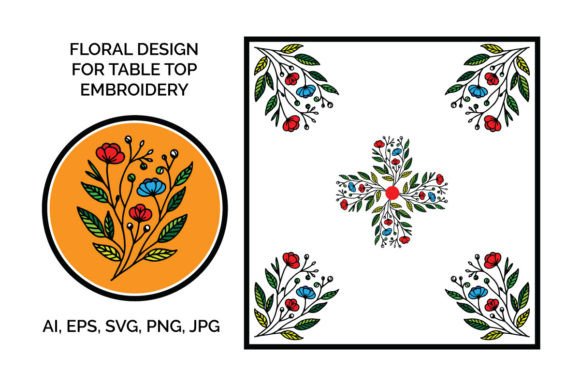
As a designer who has spent countless hours digitizing patterns and testing them on various machines, I approach every new machine embroidery design with a critical eye. It is not just about whether the image looks pretty on a screen; it is about how those stitches will behave on fabric, how they will hold up after washing, and whether they add genuine value to a finished product. Recently, I evaluated the FLORAL DESIGN for TABLE TOP EMBROIDERY, a versatile graphic asset that promises multipurpose utility across fabrics, prints, and hard surfaces. Here is my practical assessment of how this design performs in real-world craft business scenarios.
First Impressions and Visual Personality
The first thing that strikes you about the FLORAL DESIGN for TABLE TOP EMBROIDERY is its adaptability. In the world of Crafts and digital Graphics, versatility is often a double-edged sword. Designs that try to do everything often end up doing nothing well. However, this floral motif strikes a balance. The layout feels organic yet structured, suggesting a mood that is both classic and contemporary. It does not rely on overly complex micro-details that might get lost in translation, nor is it so simplistic that it lacks character.
For an embroidery designer, the visual personality of a pattern dictates its application. This design exudes a softness that makes it ideal for personalized gifts and boutique branding. It avoids the rigid, computer-generated look that plagues many low-quality embroidery files. Instead, it offers a natural flow that mimics hand-drawn botanical illustrations. This aesthetic is crucial when you are aiming for a high-end look in your handmade product lines.
Real-World Application: The Custom Tote Bag Test
To truly understand the potential of this design, I imagined a specific client project: a custom embroidered tote bag for a local farmer’s market vendor. The goal was to create a tote bag design that felt artisanal and earthy. I placed the FLORAL DESIGN for TABLE TOP EMBROIDERY centrally on a heavy canvas tote. Because the design is described as having editable colors, I could easily adjust the palette to match the vendor’s brand identity—swapping vibrant greens for muted sage and dusty rose tones.
In this scenario, the design performed exceptionally well. The scale was appropriate for a standard hoop, allowing the floral elements to breathe without crowding the edges. When stitched out, the transition between different thread colors appeared smooth. For a small shop product, this level of polish is essential. Customers often judge the quality of a custom apparel or accessory item by the clarity of the embroidery. A muddy or poorly spaced design can undermine the perceived value of the entire piece. This floral pattern, however, maintained its integrity, offering a clean and professional finish that would likely enhance buyer engagement on platforms like Etsy.
Expanding Beyond Fabric
The product description notes that this design is suitable for mug prints, paper, wood, and plastic. While my expertise lies primarily in textile embroidery, this multipurpose nature is a significant advantage for creative entrepreneurs. If you are selling design assets or creating printable mockups, having a single cohesive floral element that works across different mediums allows for consistent branding. You can use the same motif on a sweatshirt embroidery project, a printed thank-you card, and a branded sticker sheet. This consistency builds brand recognition and trust.
Technical Considerations for Stitching
While the visual appeal is strong, any experienced maker knows that technical execution is where projects succeed or fail. When working with the FLORAL DESIGN for TABLE TOP EMBROIDERY, there are several factors to consider regarding stitch types and fabric interaction.
- Stitch Density and Fabric Choice: Floral designs often utilize a mix of satin stitch for petals and leaves, and fill stitch for larger areas. If the density is too high for a lightweight fabric, you risk puckering. I recommend always testing this design on scrap fabric first. For delicate materials like silk or thin cotton, a cut-away stabilizer is non-negotiable to support the weight of the threads.
- Thread Color Contrast: Because the design features intricate shapes, the choice of thread colors is critical. High contrast between adjacent elements helps define the shape, while monochromatic schemes can create a subtle, textured look. I advise testing the design in black and white mockups first to ensure the details remain visible regardless of color choices.
- Hoop Size and Placement: Ensure your hoop size accommodates the full design without trimming essential elements. For curved surfaces like caps or hats, you may need to adjust the placement or use a specialized hoop to prevent distortion. The design’s layout seems forgiving, but tight curves in floral stems can sometimes pull if the stitch density is not optimized for stretchy fabrics.
Navigating Potential Challenges
No design is perfect for every situation. There are specific contexts where you should use the FLORAL DESIGN for TABLE TOP EMBROIDERY with caution. For instance, on highly textured fabrics like terry cloth or thick fleece, small details might get lost. In these cases, consider simplifying the design or increasing the scale. Similarly, if you are creating an embroidered patch that will be subjected to frequent washing and wear, ensure that the connecting stitches are robust. Tiny, isolated elements can snag or unravel over time if not properly secured with tack-down stitches or adequate underlay.
Additionally, while the design is marketed for multipurpose use, remember that printing on hard surfaces like mugs or wood requires different technical preparations than embroidery. If you are using this as a digital embroidery file for stitching, ensure your machine software correctly interprets the color stops and jump stitches. If you are adapting it for print, check the resolution to avoid pixelation.
Commercial Viability and Brand Value
For Etsy sellers and craft business owners, the ultimate question is whether this design helps sell products. The answer lies in its versatility and aesthetic appeal. A well-executed floral design is timeless. It fits seamlessly into holiday embroidery collections for spring and summer, as well as baby embroidery projects for nursery decor. It can elevate a simple pillow cover into a luxury home accessory or turn a plain apron into a cherished gift for a home cook.
Using a high-quality applique design or detailed floral pattern signals professionalism. It shows that you care about the details. When customers see a crisp, well-stitched floral motif on a personalized gift, they perceive higher value. This perception directly impacts your pricing power and customer satisfaction. Moreover, because the design is editable, you can offer customization options, such as changing colors to match wedding themes or corporate branding, which is a significant selling point for commercial embroidery clients.
Final Designer Notes
Before integrating the FLORAL DESIGN for TABLE TOP EMBROIDERY into your production workflow, take these practical steps:
- Verify Licensing: Always confirm the license terms before selling finished items or digital products. Understand whether the license covers commercial use and if there are restrictions on volume.
- Test on Multiple Fabrics: Do not assume the design will behave the same on linen as it does on polyester. Run test stitches on the actual materials you plan to use for your finished product.
- Check File Compatibility: Ensure the embroidery file format is compatible with your specific machine model. Convert files if necessary, but always review the converted version for errors.
- Inspect Small Details: Zoom in on the design in your software. Look for potential jump stitches or dense areas that might cause thread breaks. Edit if needed to optimize performance.
In conclusion, the FLORAL DESIGN for TABLE TOP EMBROIDERY is a solid addition to any designer’s library. It offers the flexibility needed for diverse projects, from custom apparel to home decor. By approaching it with a mindful, technical perspective, you can leverage its aesthetic strengths to create beautiful, marketable items that resonate with customers. It is not just a graphic; it is a tool for building a cohesive and professional brand presence in the competitive world of handmade goods.