Embroidery Business: A Designer’s Real-World Review
As a designer who spends more time staring at stitch simulations than I do sleeping, I approach every new machine embroidery design with a healthy dose of skepticism. We have all been there: you download a file that looks crisp on the screen, only to watch it turn into a tangled mess of thread breaks and puckering on actual fabric. So, when I pulled up Embroidery Business for evaluation, I was not just looking at pretty pixels. I was looking for viability. I wanted to know if this graphic could hold its own in the rough-and-tumble world of custom apparel and handmade goods.
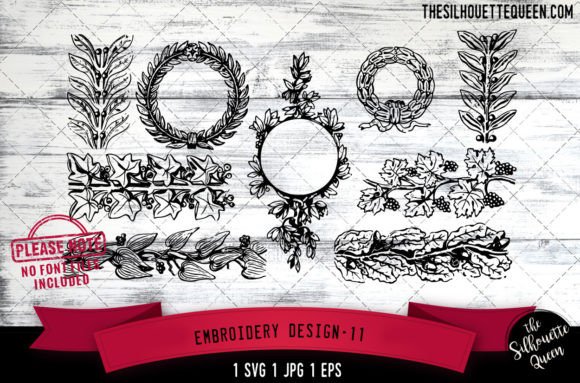
The product description promises a unique and creative logo design intended to satisfy business owners 100 percent. That is a bold claim. In the world of Logos and Graphics, "unique" is often code for "complicated," and "creative" can sometimes mean "impractical for stitching." My job here is to strip away the marketing fluff and look at the structural integrity of the design. Does it work for a small shop product? Will it survive a wash cycle on a tote bag? Let’s dig into the practical reality of using Embroidery Business in a real production environment.
First Impressions: Mood and Visual Personality
When I first loaded the digital embroidery file into my editing software, the immediate impression was one of professional clarity. The layout feels intentional. It does not suffer from the cluttered aesthetic that plagues so many budget-friendly design assets. The shape and theme suggest a modern, clean identity, which is exactly what most creative entrepreneurs and Etsy sellers are chasing right now. Buyers want their brands to look established, even if they are just starting out.
The visual personality of Embroidery Business leans toward versatility. It does not scream "niche hobby"; it whispers "legitimate brand." This is crucial because a logo needs to be adaptable. Whether you are creating a personalized gift for a client or branding your own craft business, the design needs to convey trust. The detail level appears balanced—enough complexity to look premium, but not so much that it requires hours of trimming jumps or risks excessive stitch density on lightweight fabrics.
The Real-World Test: From Screen to Stitch
To truly evaluate this design, I imagined a specific scenario: a local coffee shop owner wants branded merchandise for her grand opening. She orders twenty canvas tote bag designs and ten heavyweight cotton sweatshirts. This is where the rubber meets the road. How does Embroidery Business perform under pressure?
For the tote bags, the design’s structure is key. Canvas is a sturdy fabric, but it can distort if the stitch density is too high in a concentrated area. If this logo relies heavily on dense fill stitch work without proper underlay, it could pull the fabric, creating an unsightly pucker around the edges. However, if the design utilizes smart running stitch outlines and balanced saturation, it will sit flat and look professional. The clean lines suggested by the preview imply that it should handle the texture of canvas well, provided the correct stabilizer is used.
Moving to the sweatshirt, the challenge changes. Fleece and cotton blends are thick and plush. A logo that looks great on a flat screen can get lost in the nap of a sweatshirt. Here, the contrast of thread colors becomes vital. If Embroidery Business features thin lines or intricate satin stitch borders, they might sink into the fabric. For sweatshirt embroidery, I would recommend checking if the design has enough weight to stand out. If it is too delicate, it may lack the visual impact needed for effective branding on textured garments.
Navigating Fabric and Hoop Constraints
Not every project is a sturdy tote or a thick hoodie. Many of us work with tricky materials, and this is where you need to exercise caution with Embroidery Business. If you are planning to use this on thin fabric, such as a lightweight tee or a silk blend, you must be vigilant. High-density areas can cause perforation, leaving tiny holes in the garment after the stabilizer is torn away. Always test on scrap fabric first. This is non-negotiable for professional results.
Curved surfaces present another hurdle. Embroidering this logo on a cap or hat requires careful hoop placement. If the design is wide, it might distort over the curve of the crown. You need to confirm the hoop size compatibility before you start. If the design is near the maximum width of a standard cap frame, you risk hitting the hoops or losing detail on the sides. Similarly, for embroidered patch creation, ensure the edges are clean. A messy border ruins the perceived value of the finished product.
Dark fabrics also demand attention. If Embroidery Business includes fine details, they may vanish against black or navy material unless you use a contrasting underlay or choose bright, vibrant thread colors. Always test your design in black and white mockups to see how the shapes read without color dependency. If the logo loses its definition in grayscale, it may need simplification or bolder line weights for dark backgrounds.
Commercial Value and Customer Perception
Why does any of this technical detail matter? Because it directly affects your bottom line. When a customer buys a handmade product, they are buying into a feeling of quality. A poorly stitched logo undermines that trust. Conversely, a crisp, well-executed Embroidery Business design elevates the perceived value of the item. It signals professionalism. For Etsy sellers and boutique owners, this distinction is the difference between a one-time buyer and a loyal customer.
This design fits naturally into various commercial contexts. It works for holiday embroidery gifts, where a personalized touch adds emotional weight. It suits baby embroidery projects, provided the scale is adjusted to be gentle and not overwhelming on small garments. It is equally at home on aprons for kitchen enthusiasts or pillow covers for home decor. The key is matching the design’s mood to the product’s purpose.
Practical Notes for the Serious Maker
Before you commit to a large run of custom apparel or list this as a new item in your shop, take these steps:
- Check the License: The description mentions it is for business use, but always confirm the specific terms. Can you sell finished items? Can you use it in digital products? Clarity here prevents legal headaches later.
- Verify File Formats: Ensure the embroidery file is compatible with your machine. Do not assume universal compatibility.
- Test Stitch Density: Run a test stitch-out on similar fabric to check for pulls or breaks.
- Review Small Details: Zoom in on tiny lettering or corners. If they are too small, they may not stitch out cleanly.
- Use Proper Stabilizer: Match your stabilizer to your fabric. Cut-away for stretchy knits, tear-away for wovens.
In conclusion, Embroidery Business shows promise as a versatile asset for the modern maker. It avoids the pitfalls of overly complex graphics while maintaining a professional aesthetic. However, its success depends entirely on your execution. Respect the fabric, understand your machine, and test thoroughly. When done right, this design can be a cornerstone of your design assets, helping you create finished products that customers are proud to wear and gift. It is not just a logo; it is a tool for building your brand’s reputation, one stitch at a time.