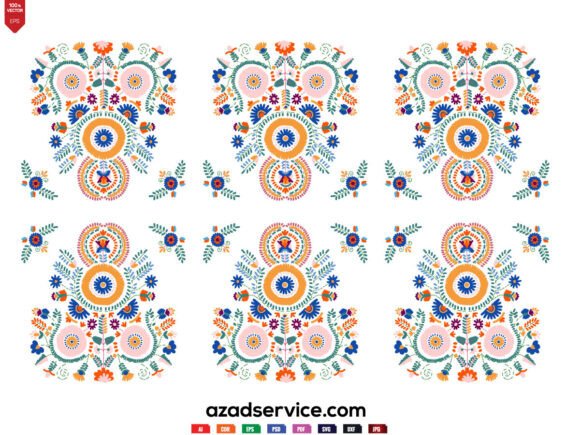
Embroidery Design Vector for Graphics
As a brand designer who has spent years auditing visual assets for small businesses and digital entrepreneurs, I have learned that the difference between a forgettable post and a high-converting campaign often lies in the texture of the design. Recently, I integrated the Embroidery Design Illustration Vector into a rebranding project for a boutique lifestyle client. The goal was to move away from flat, sterile corporate aesthetics and introduce warmth without sacrificing professionalism. This review breaks down how this specific graphic design asset performs in real-world marketing scenarios, focusing on audience perception, technical flexibility, and strategic application.
First Impressions: Texture, Warmth, and Audience Perception
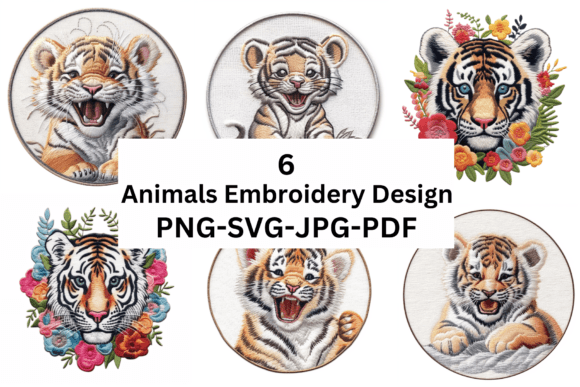
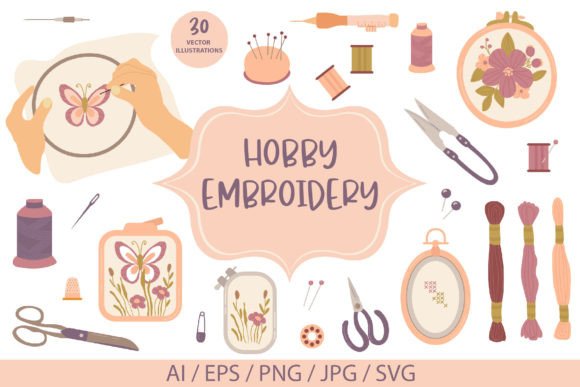
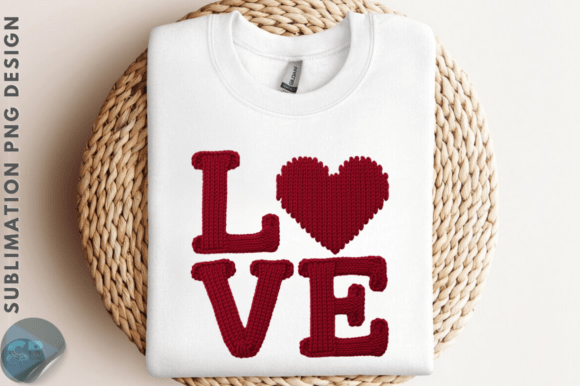
The immediate impact of the Embroidery Design Illustration Vector is its tactile quality. In a digital landscape saturated with smooth gradients and sharp geometric lines, an embroidered aesthetic triggers a psychological response associated with craftsmanship, care, and authenticity. For brands selling handmade goods, organic products, or coaching services that rely on personal connection, this mood is invaluable. It signals to the viewer that the brand values detail and human touch.
However, the emotional tone must align with your brand identity. This asset leans heavily into casual, approachable, and premium artisanal vibes. It is less suitable for cold, tech-heavy corporate branding but exceptional for lifestyle content, event promotions, and editorial graphics that aim to feel inviting. When I placed it against a clean, neutral background, it created a strong visual hierarchy, drawing the eye immediately without feeling chaotic. This balance is crucial for maintaining professional branding while adding character.
Technical Versatility for Modern Design Workflows
From a production standpoint, the file structure is where this asset truly shines for content creators and designers. The package includes full vector SVG and EPS files, which are non-negotiable for scalable professional branding. Unlike raster images that pixelate when enlarged, these vectors allow you to resize the illustration for anything from a tiny favicon to a large-format trade show banner without losing clarity.
The high-resolution nature of the files ensures that the intricate stitch details remain crisp. Furthermore, the ability to easily change text and colors within the vector format means you can adapt the asset to match any brand palette instantly. For social media managers who need to churn out consistent Instagram posts or Pinterest pins, this flexibility saves hours of editing time. You are not stuck with a static PNG; you have a dynamic creative design element that can evolve with your seasonal campaigns.
Strategic Applications in Marketing and Branding
Integrating the Embroidery Design Illustration Vector into your content marketing strategy requires understanding where it adds value versus where it might distract. Here is how I recommend deploying this asset across various channels:
- Social Media Graphics: Use the illustration as a frame or accent in Instagram stories and Facebook ads. It softens the hard sell of promotional offers, making them feel more like community updates.
- Packaging Design and Product Labels: This is perhaps the strongest use case. Placing this vector on product labels or packaging inserts reinforces the "handmade" or "premium" narrative, increasing perceived value and audience trust.
- Digital Ads and Web Design: In hero sections or email banners, the texture provides a break from standard web aesthetics, improving engagement rates by capturing attention through novelty.
- Printable Design and Merchandise: Because it is a vector, it translates perfectly to physical items like stickers, tote bags, or printed flyers, ensuring your offline and online branding remain consistent.
For bloggers and publishers, using this illustration in editorial design can help break up text-heavy articles, providing visual relief that keeps readers on the page longer. It serves as an excellent decorative brand element that supports the main message without competing with it.
Where to Use Caution: Avoiding Visual Clutter
While versatile, this asset is not a universal fix. In dense information layouts or text-heavy ads, the detailed stitch pattern can reduce readability if placed too close to body copy. I advise against using it in formal corporate contexts where minimalism and stark authority are required. Additionally, be cautious with low-contrast backgrounds. If the embroidery colors blend into the background, the intricate details will vanish, resulting in a muddy appearance that harms professional branding.
On small mobile screens, ensure the illustration is simplified or scaled appropriately. Complex textures can sometimes appear as noise on lower-resolution displays. Always test your designs on actual devices to confirm that the visual hierarchy remains intact and the core message is not obscured by the decorative elements.
Designer Notes: Optimizing for Commercial Success
To get the most out of this graphic design asset, treat it as a component of a larger system rather than a standalone solution. Start by testing the vector against your existing brand color palette. Does the embroidered tone complement your primary colors, or does it clash? Adjust the hues within the SVG file to ensure harmony.
Typography pairing is another critical factor. This illustration pairs beautifully with serif fonts for a classic, elegant look, or handwritten fonts for a playful, personal vibe. Avoid pairing it with overly industrial sans-serif fonts unless you are intentionally aiming for a high-contrast, eclectic style. Check spacing and balance rigorously; give the illustration breathing room so it does not feel cramped.
Finally, always verify the commercial license before using the asset in paid campaigns, client work, or product sales. Understanding the rights associated with your design assets is essential for legal safety and long-term brand stability. When used correctly, the Embroidery Design Illustration Vector is more than just clipart; it is a strategic tool for building emotional connection and enhancing visual consistency across all touchpoints.
In conclusion, for small business owners, online coaches, and creative entrepreneurs looking to elevate their visual content, this asset offers a compelling blend of aesthetic charm and technical utility. It supports stronger recognition and memorable campaign visuals, provided it is applied with intention and respect for design principles. By leveraging its vector capabilities and textured appeal, you can create marketing materials that not only attract attention but also foster deeper audience trust.