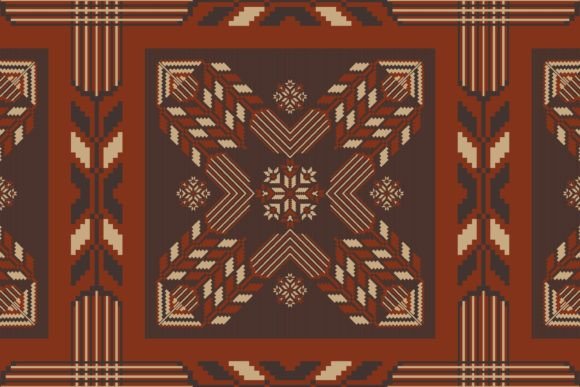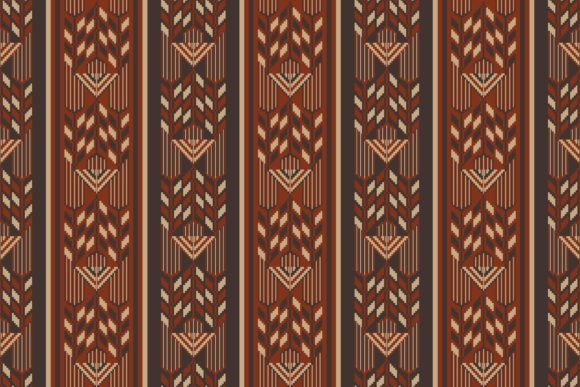
Embroidery Chevron Pattern: Graphics & Patterns
When a client approaches me with a brief for a boutique textile brand or a handmade lifestyle shop, the immediate challenge is balancing authenticity with modern commercial appeal. They want their products to feel artisanal and rooted in tradition, yet polished enough to compete in a crowded digital marketplace. Recently, while scouting assets for a mid-sized craft business launching a new home decor line, I evaluated the Embroidery Ethnic Chevron Stripe Pattern. My goal was to determine if this specific asset could carry the visual weight of a primary brand element or if it was better suited as a subtle background texture. After testing it across various mockups and layout scenarios, I found it to be a versatile tool for designers who need to inject warmth and cultural richness into their projects without sacrificing structural clarity.
First Impressions: Texture Meets Geometry
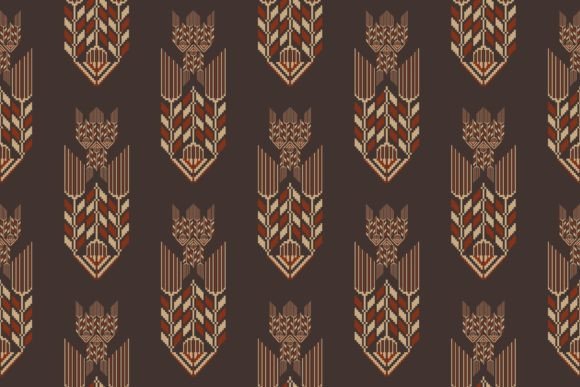
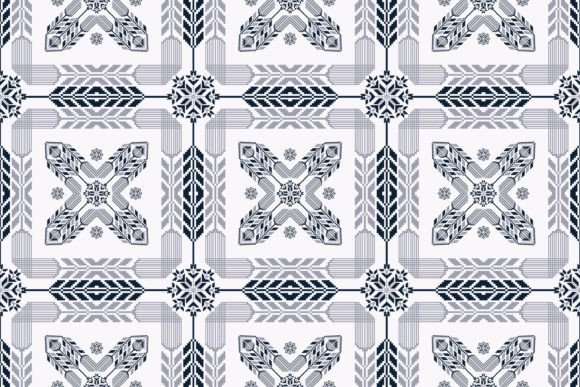
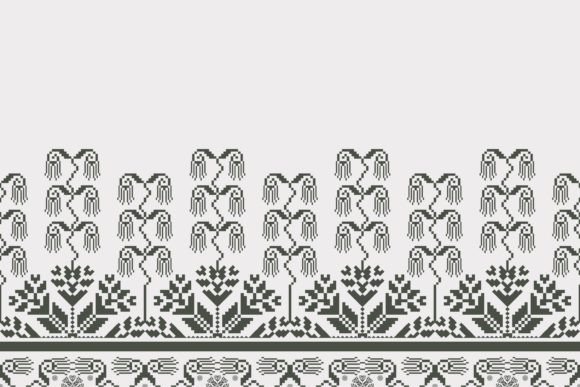
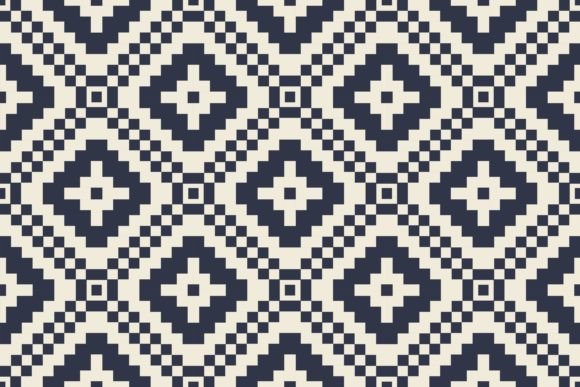
The first thing that strikes you about this graphic design asset is the convincing simulation of thread texture. Unlike flat, vector-only geometric shapes that can feel sterile, this pattern mimics the raised, tactile quality of real embroidery. The ethnic embroidery geometric stripes create a rhythm that is both predictable and engaging. It feels grounded. For a designer, this means the asset brings an inherent "handmade" mood to any composition. It does not scream for attention with neon colors or chaotic lines; instead, it offers a steady, folk-inspired pulse that works beautifully for brands emphasizing sustainability, heritage, or artisanal craftsmanship.
In terms of style, it sits comfortably at the intersection of traditional folk art and modern minimalism. The chevron and herringbone motifs are classic, but the embroidered execution updates them for contemporary tastes. This makes it an ideal candidate for small business branding where the story of "made by hand" is central to the value proposition. Whether you are designing for an Etsy product launch or a local farmer’s market stall, this pattern communicates quality and care before the customer even reads the copy.
Real-World Application in Client Projects
I tested the Embroidery Ethnic Chevron Stripe Pattern in several realistic design scenarios to gauge its flexibility. Here is how it performed across different mediums:
- Packaging Design: This is arguably the strongest use case. I applied the pattern to a mockup for a organic cotton tote bag label. The seamless nature of the ethnic stripes pattern allowed it to wrap around cylindrical containers and fold neatly on box flaps. It added a premium, textured look that elevated simple kraft paper packaging into something that felt bespoke and high-end.
- Social Media Graphics: For Instagram posts and Pinterest pins, the pattern served as an excellent frame or background accent. When used behind bold, sans-serif typography, it provided visual interest without compromising readability. It helped create a cohesive feed aesthetic for a client selling handmade ceramics, linking their product photos with a consistent visual thread.
- Print-on-Demand and Sublimation: If you are a POD seller, this asset is a goldmine. I simulated a sublimation design for a throw pillow. The vector embroidery folk geometric chevron herringbone stripes scaled up perfectly without pixelation. The intricate details of the "stitches" remained crisp, ensuring that the final printed product looked professional rather than muddy.
- Web Design and Digital Products: As a header background for a landing page, the pattern added depth. However, I had to lower the opacity significantly to ensure it did not distract from the call-to-action buttons. It works best here as a supporting element rather than a hero graphic.
Strategic Placement and Visual Hierarchy
Understanding where to place this asset is crucial for maintaining visual hierarchy. In my review, I found that the Embroidery Ethnic Chevron Stripe Pattern works best in large layout areas where it can breathe. Using it as a full-bleed background on a poster or a wide website banner allows the eye to appreciate the repetitive rhythm of the herringbone stripes. It creates a sense of movement and direction, which can subtly guide the viewer’s eye toward key content.
However, caution is required when using it in crowded layouts. Because the pattern has a high level of detail due to the embroidery effect, it can clash with other complex elements. I would advise against placing it behind detailed illustrations or busy photography. Instead, use it on solid color blocks or white space. For minimalist branding or corporate materials that require a very clean, sterile look, this pattern might feel too ornate. It thrives in environments that welcome warmth and texture, such as lifestyle blogs, boutique e-commerce sites, and creative marketplaces.
Typography Pairing and Readability
One of the most critical aspects of integrating a pattern like this is typography pairing. During my tests, I found that the Embroidery Ethnic Chevron Stripe Pattern pairs exceptionally well with clean sans-serif fonts. The simplicity of the letters balances the complexity of the stitched lines. Script fonts and handwritten fonts can also work, but only if they are large and bold enough to stand out against the texture. Delicate serif fonts tend to get lost in the visual noise of the embroidery effect. Always check contrast on light and dark backgrounds. If you place dark text over the pattern, ensure there is enough negative space or use a semi-transparent overlay to maintain legibility.
Technical Considerations for Professional Use
Before delivering any final files to a client, I run a standard checklist of technical checks. Here are my practical designer notes for this specific asset:
- File Format Inspection: Verify if you are working with an SVG design or a PNG design. For scalable applications like large format printing or logo variations, the vector format is essential. It allows you to edit individual stitch colors and adjust the scale without quality loss. For web use, ensure the PNG has a clean transparency if you need to layer it over other images.
- Color Testing: Test the pattern in black and white. This helps you understand the contrast levels independent of hue. If the pattern disappears in grayscale, it may not have enough tonal variation for certain print methods. Also, preview it on both light and dark backgrounds to ensure versatility.
- Mockup Validation: Never judge a pattern solely on a flat screen. Place it on real product mockups. See how the ethnic stripes pattern behaves when wrapped around a mug or folded on a t-shirt design. Distortion can occur on curved surfaces, so adjust the scale accordingly.
- Licensing Verification: Always confirm the commercial license terms. If you are creating a design bundle for resale or using it for a client’s product line, you must ensure the asset permits commercial use. This is non-negotiable for professional integrity.
Final Verdict: A Versatile Asset for Modern Makers
The Embroidery Ethnic Chevron Stripe Pattern is more than just a decorative clipart; it is a strategic tool for building brand identity. It bridges the gap between traditional craft and modern digital design. For graphic designers, marketers, and small business owners, it offers a quick way to add perceived value and tactile appeal to digital and physical products. Whether you are creating a Cricut project, designing packaging for an Etsy shop, or building a comprehensive brand identity system, this pattern holds up under scrutiny. It requires thoughtful placement and careful typography pairing, but when used correctly, it enhances emotional appeal and audience engagement. It is a solid addition to any designer’s library of creative assets, particularly for those working in the lifestyle, home decor, and handmade sectors.